





Seven long years have passed since the last Devil May Cry game, and it feels like an eternity. And then I look back at Onimusha… Twenty-two full years!
The last proper entry in the series came out back when I was swapping games on discs with people from the forums at all sorts of meetups. In what feels like an alternate dimension, really. And I’d be lying if I said the announcement of a new game didn’t thrill me from the very first trailer. Onimusha truly is a cult series.
Perhaps the most interesting thing about all of this is that Way of the Sword doesn’t try to reinvent Onimusha from scratch. Instead, it takes what once made the series special and adapts it to modern gaming. The result is a game that feels quite familiar, yet different enough not to come across as a museum piece, but as a modern title.
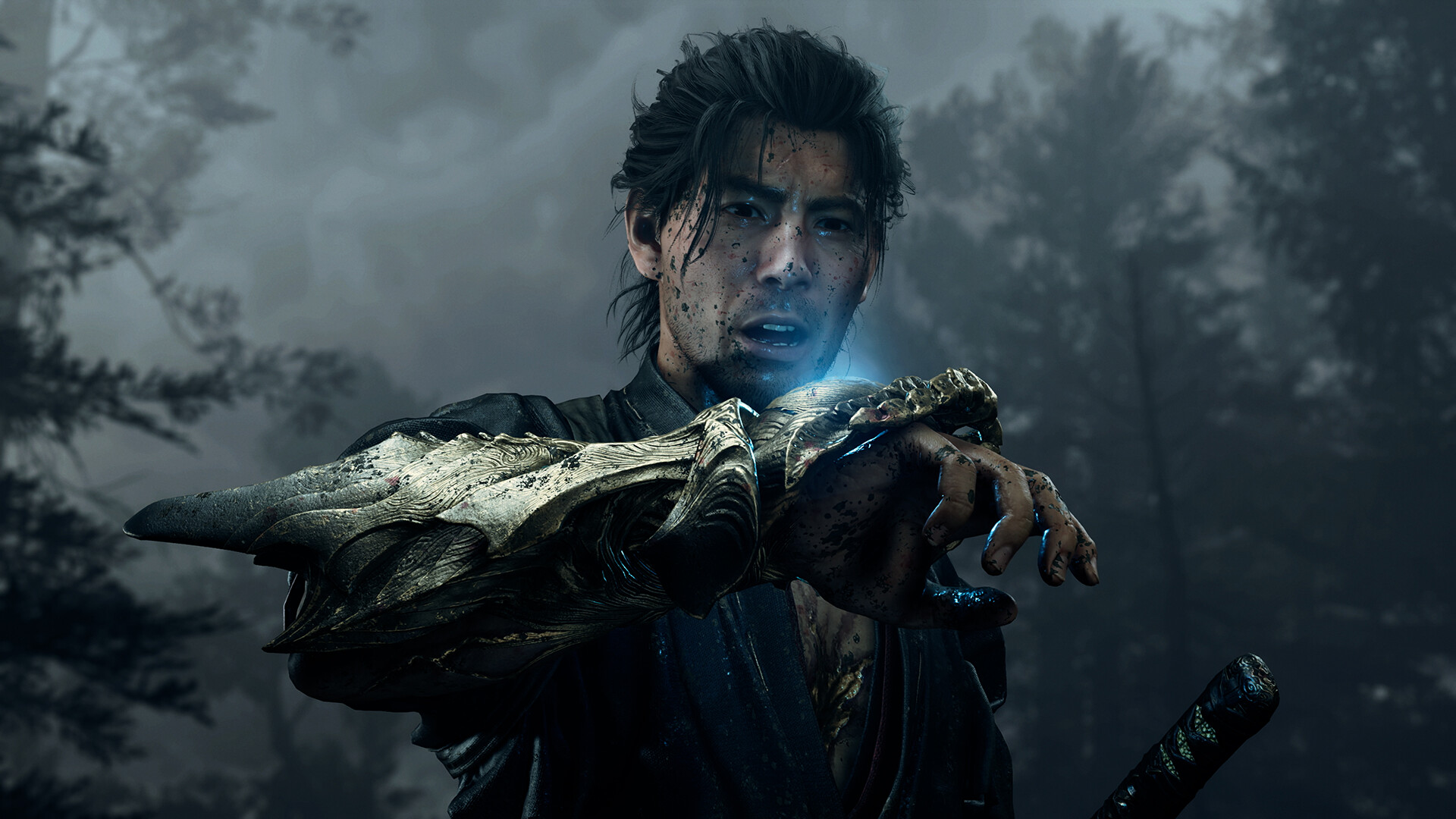
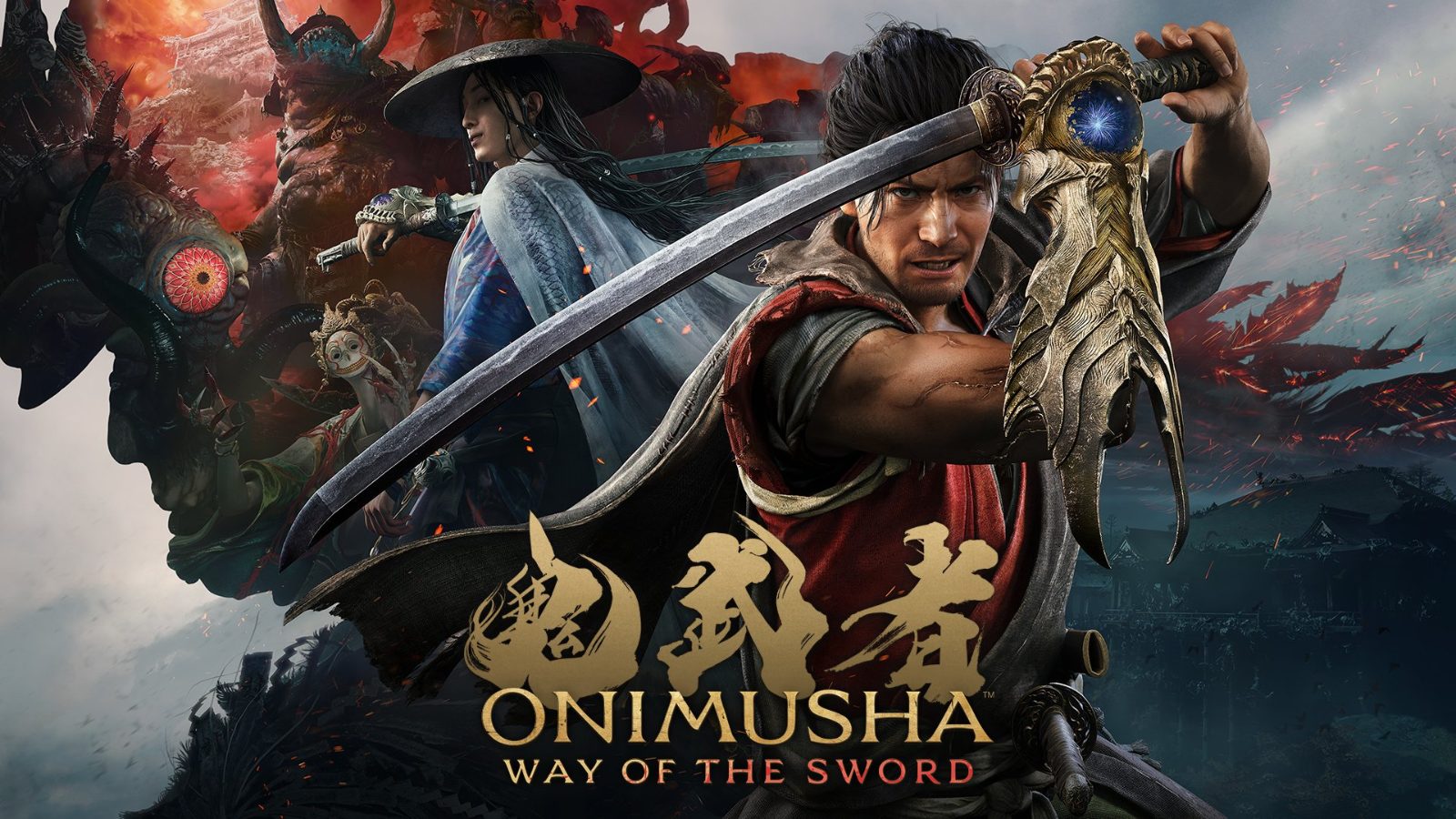
This time, the story puts Miyamoto Musashi at its center – one of the most famous, if not the most famous, Japanese swordsmen. For his design, Capcom used the likeness of legendary actor Toshiro Mifune, one of those details that immediately gives the game a certain weight. Musashi doesn’t look like a generic anime samurai from yet another video game, but like a man who stepped straight out of an old Japanese film. And then the game straps an Oni gauntlet to his arm and sends him off to slay demons. That’s Way of the Sword in a sentence, more or less.
The new Onimusha once again mixes historical Japan with supernatural elements. Kyoto is gripped by an ominous energy, Genma demons appear wherever you look, and real historical events serve only as a backdrop for a story that clearly has no intention of being a history lesson. And honestly, that’s how it should be.
That said, the story was probably the weakest element of the game for me. It’s fairly simple and doesn’t try to impress you with some convoluted, seventeen-layer plot. Musashi has his goal, the demons have theirs, and in between there’s more than enough reason for his sword to rarely stay sheathed for more than a few minutes.
Yes, I would have liked a stronger story – a more powerful “hook” that keeps you going until the end – but when I look at everything else, it doesn’t matter that much. When the game wants to be serious, it can be serious. And when it wants to be funny, it has no problem letting its characters be a little goofy. And it works.
Musashi in particular has enough personality not to feel like a puppet we simply steer through the world. This version of him is confident, occasionally witty and laid-back enough to keep the whole game from sliding into constant, gloomy samurai brooding. So the story isn’t especially clever, but it serves its purpose.
On the other hand, one of the things I enjoyed most is the way the game uses its setting. Kyoto is recognizable, but not beautiful in the classic sense. It has that Silent Hill and Resident Evil Village kind of beauty, which gives the whole game an almost horror-like atmosphere. I really enjoyed exploring an environment that hides plenty of secrets and practically begs for a good pair of headphones, or at least a quiet apartment while you play and sink into the atmosphere.
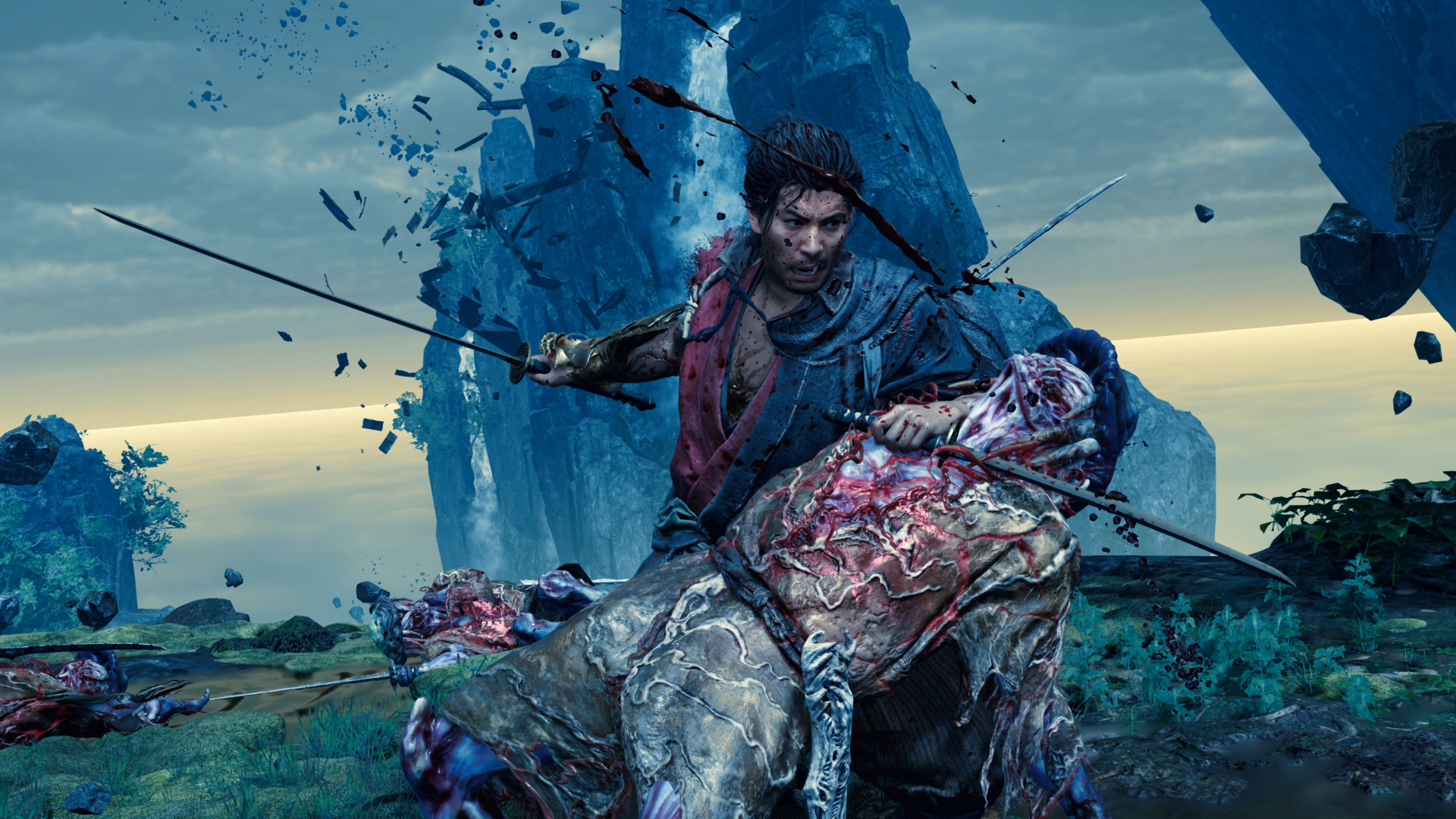
The RE Engine does here what it has excelled at for years: detailed characters, excellent animations and very impressive effects. Add that atmospheric, eerie design and you have every reason why Way of the Sword looks so good. And once the animations kick in and elevate the visuals even further, as we saw in Monster Hunter Wilds, every location looks literally like a scene from a movie. Excellent framing and superb action choreography play a big part in that, of course.
Musashi looks especially good. His movements aren’t exaggeratedly fast; they have a certain weight to them. Every sword swing feels like it has a beginning, a middle and an end, instead of the katana turning into a lightsaber the moment you press the attack button. And that matters, because combat is the heart of the whole game.
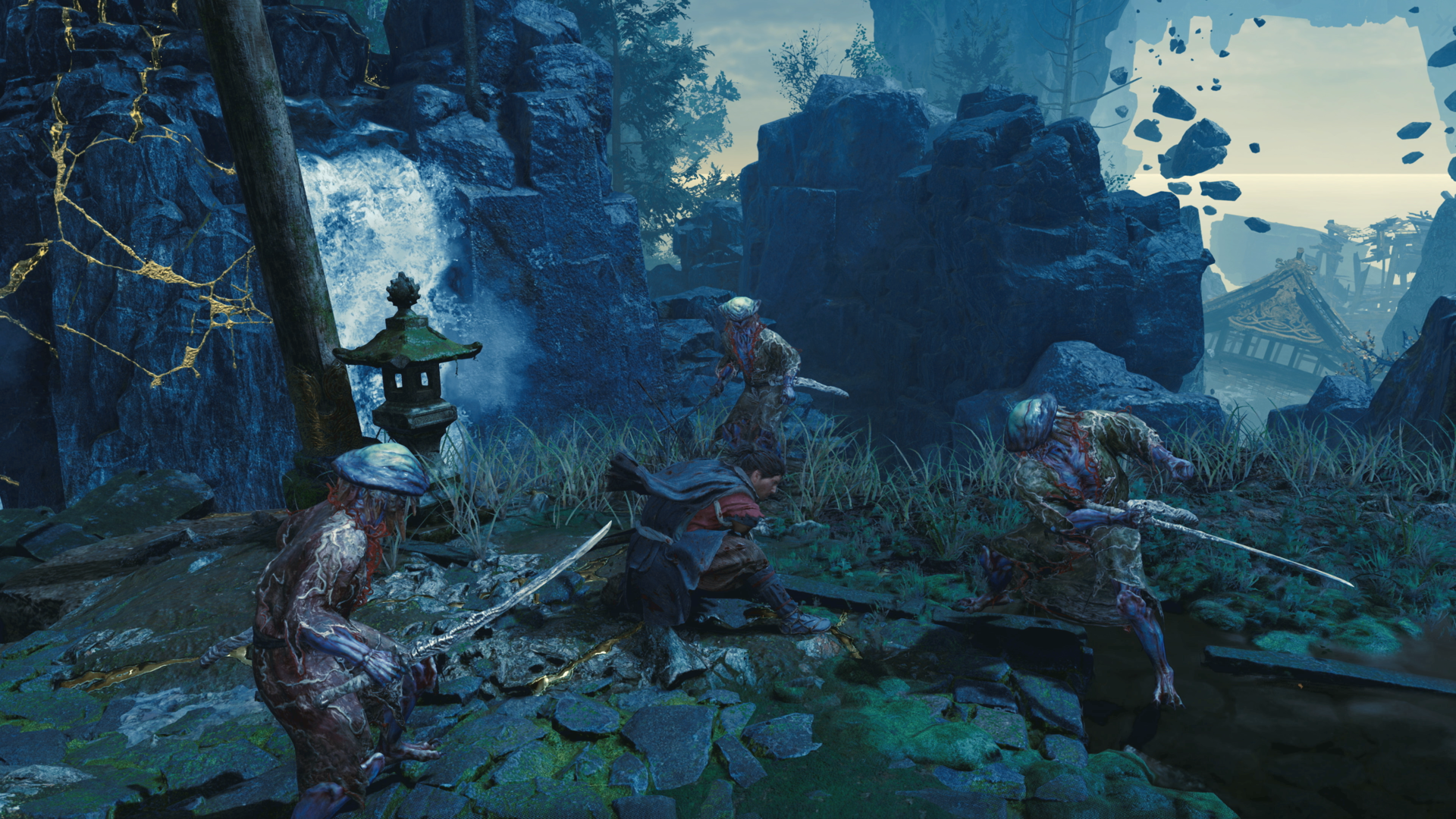
Onimusha has always been an action series, of course, but Way of the Sword seriously raises the stakes. At first glance, combat feels familiar. You have light and heavy attacks, blocking, dodging and various abilities. Very quickly, however, it becomes clear that the game wants you to pay close attention to what the enemy is doing, not just to your own combo.
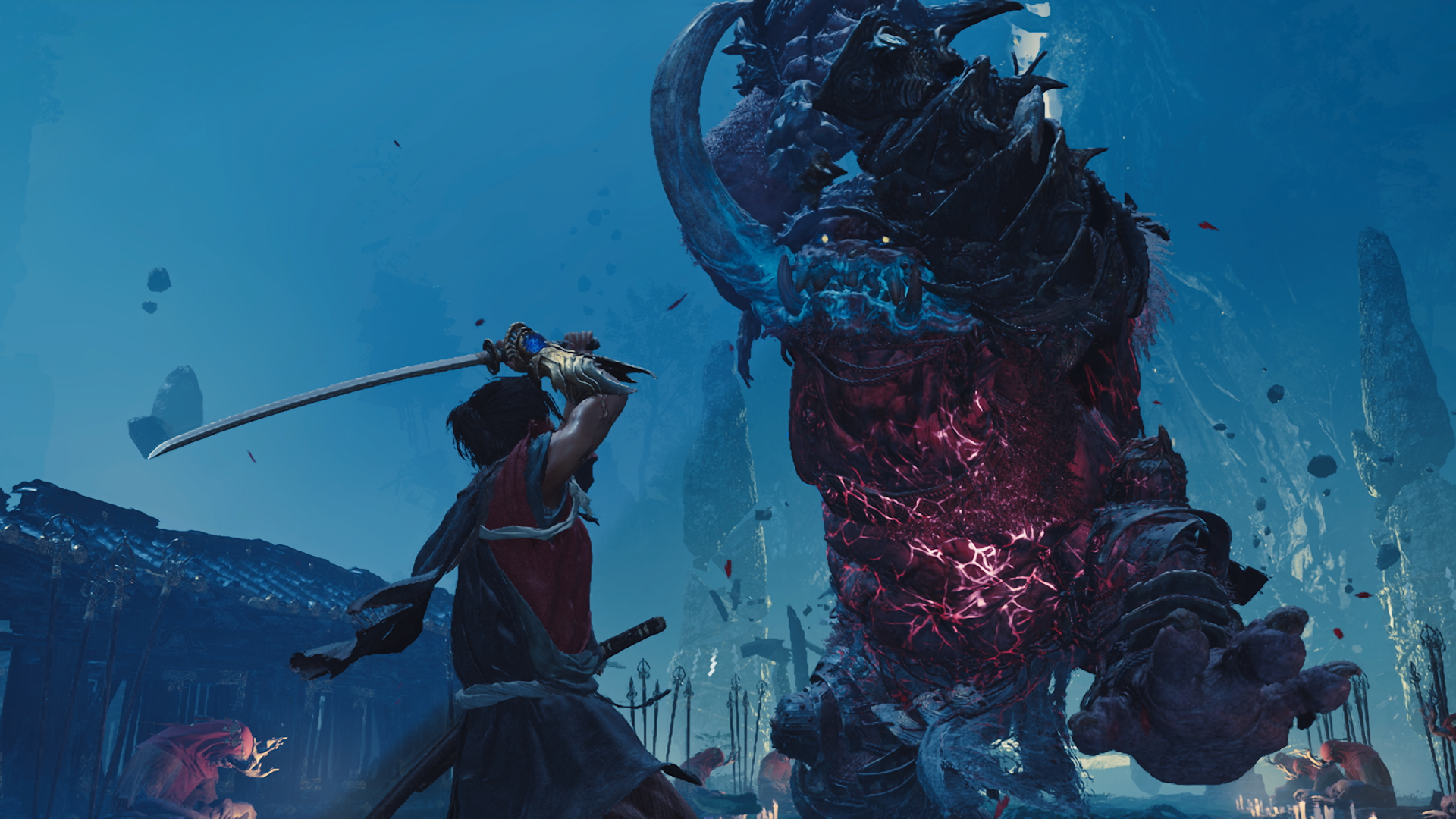
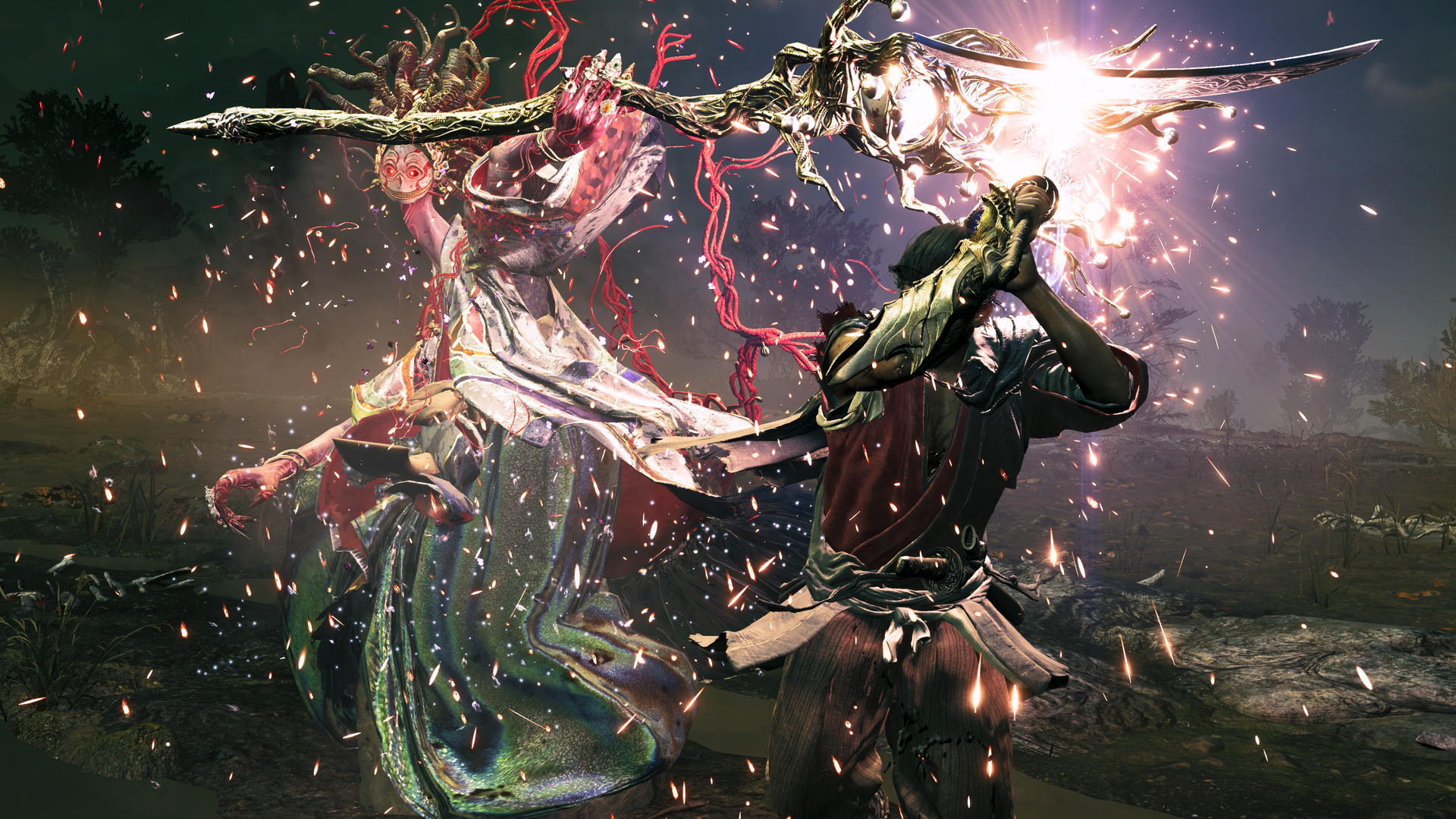
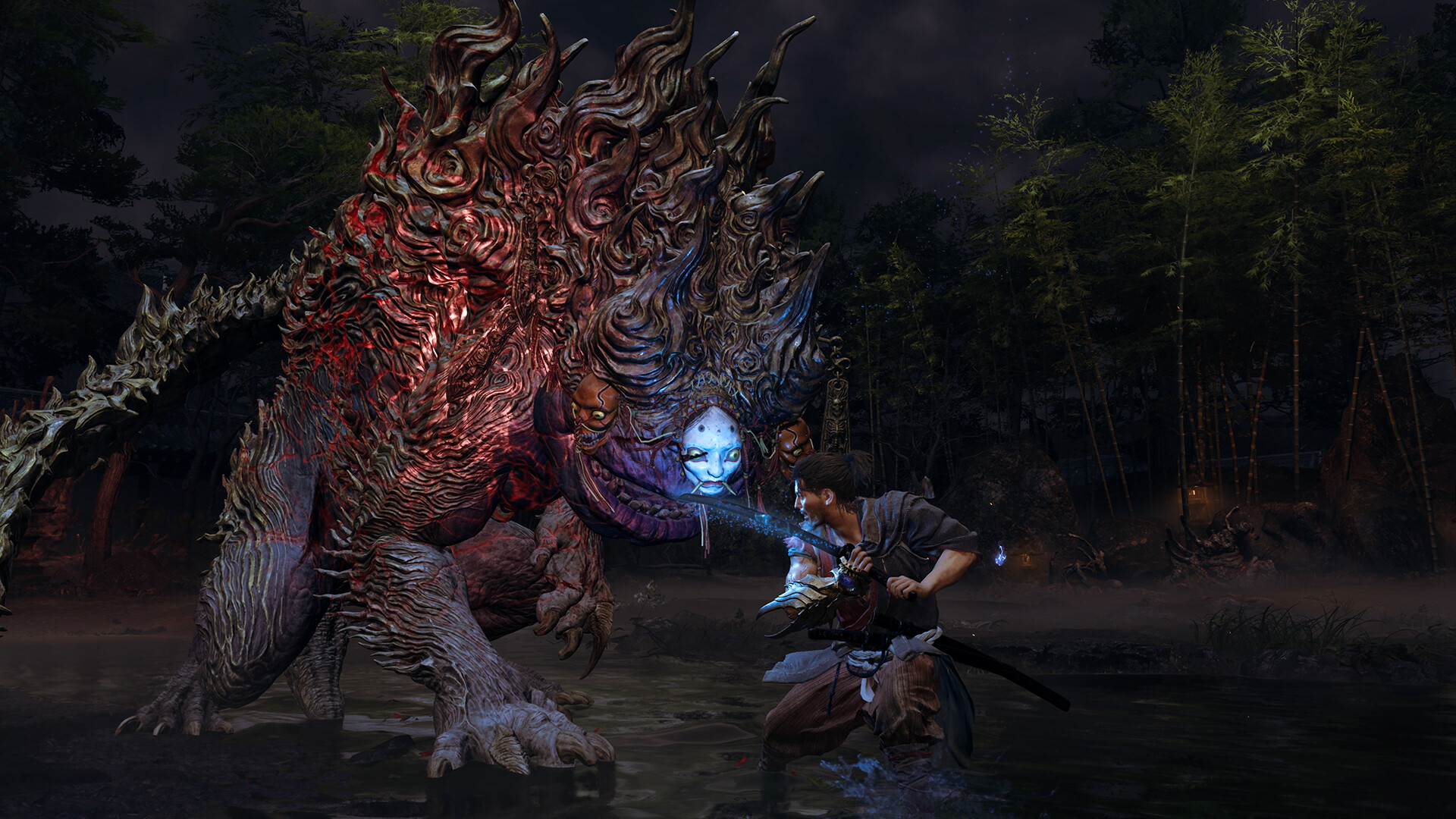
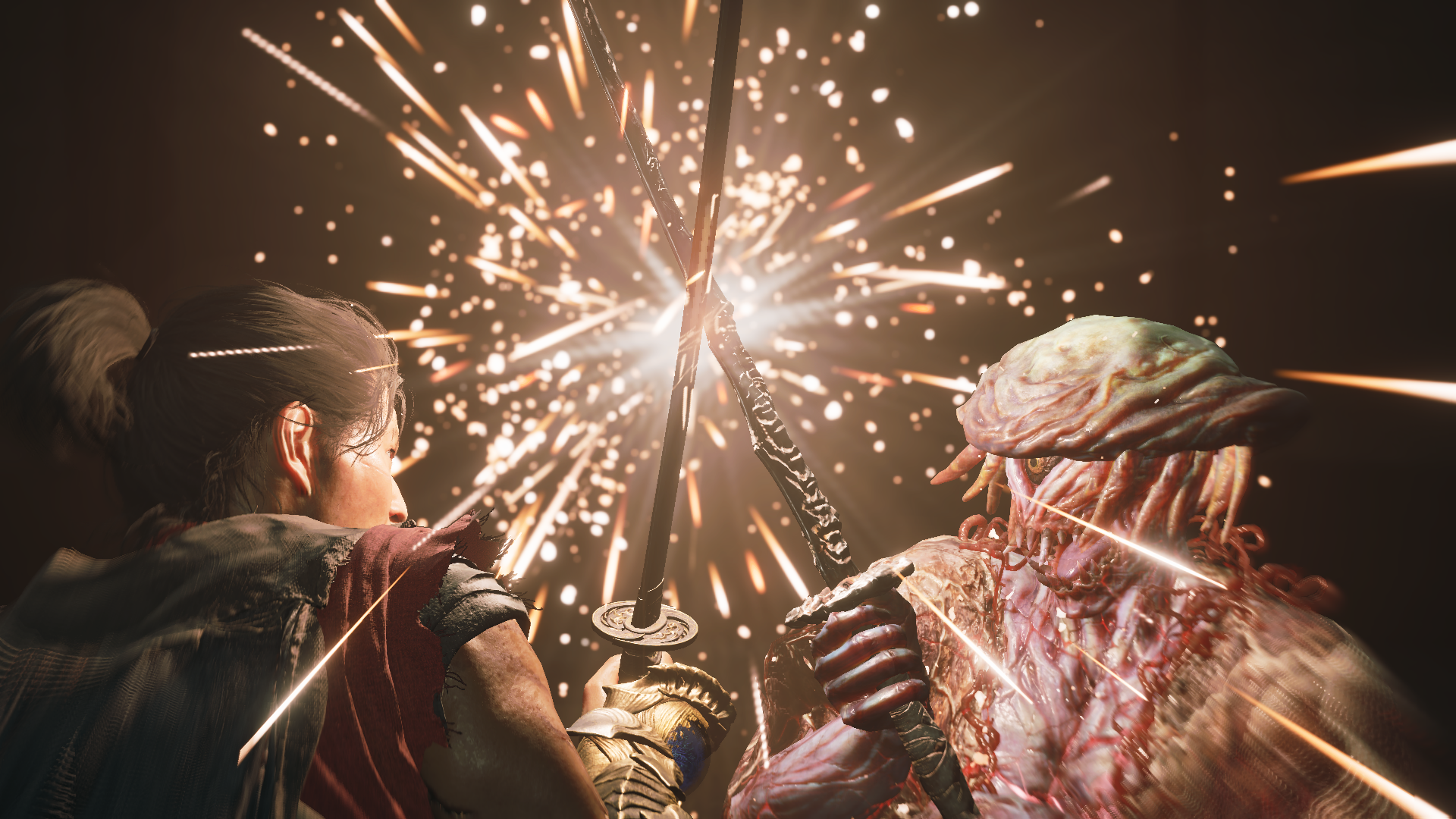
Parrying is one of the foundations of the system, but what makes it interesting is how it ties into the rest of the combat. A well-timed block can completely turn a situation around, and there’s special satisfaction in successfully pulling off an “issen” – a strike landed in the instant before the enemy’s attack, which is particularly hard to execute but punishes the demon on the other end of the blade especially hard.
Turning an enemy’s attack into their death is the kind of mechanic that, after a while, makes you think less about how to beat an enemy and more about how to kill them in the most stylish way possible. And the game rewards you for that, too!
The souls you collect from defeated enemies are used for upgrades, while various resources and equipment let you gradually develop Musashi. The system is rich enough that you always feel like you’re progressing, but not so complicated that you need to open an Excel spreadsheet before spending your next point.
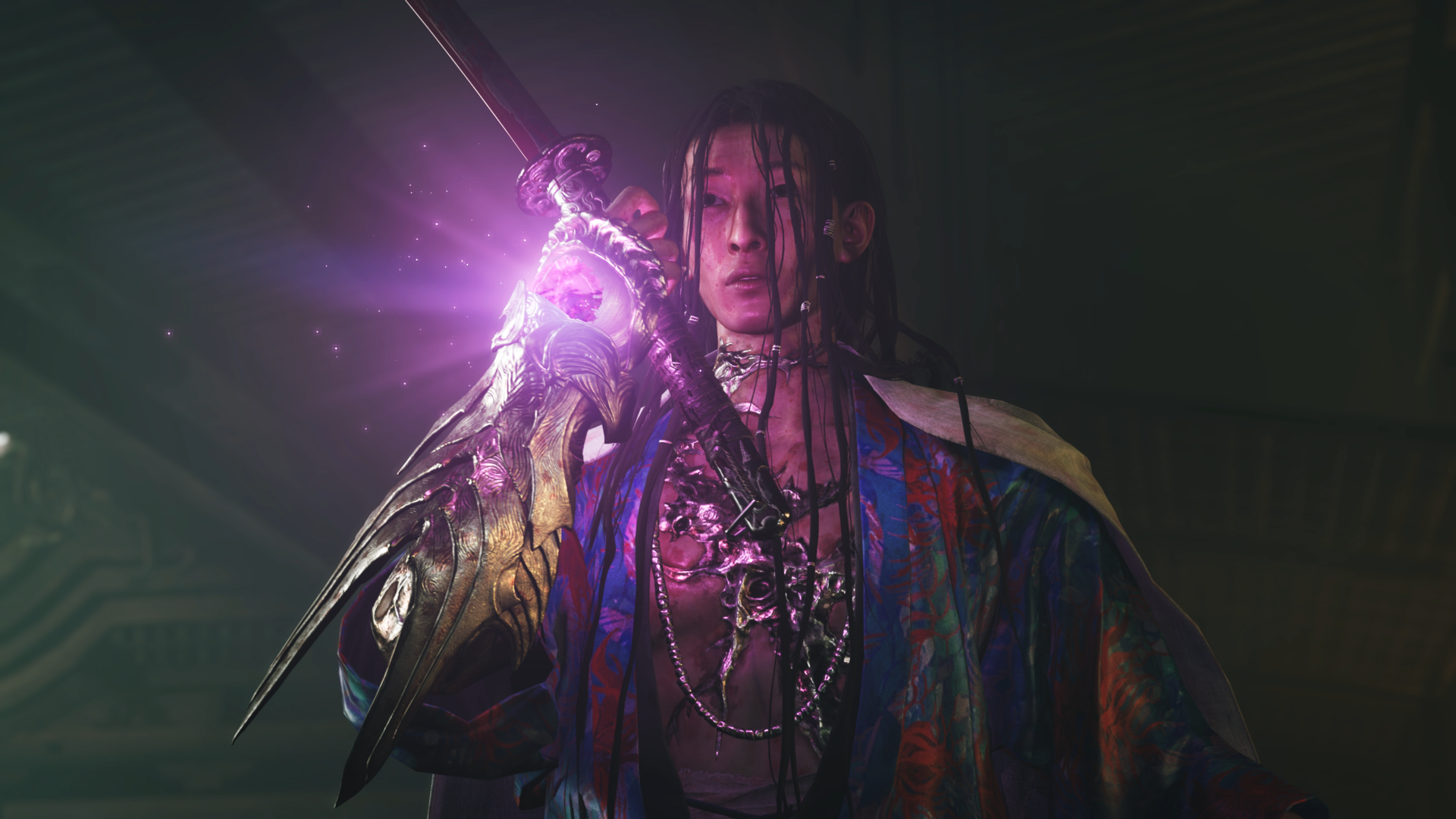
There’s also gear that comes in handy in different situations, as well as a system of moves that work well together. And this is where Way of the Sword shows one of its greatest strengths. The game doesn’t try to impress you with the sheer number of systems, but with how those systems build on each other. For example:
You start a fight with regular attacks, then parry. The enemy is left open, you punish them and turn their next attack against them with an “issen”. You collect the souls, activate a power and dash to the next enemy. And before you know it, you’ve performed a little choreography that would be far more fun to watch than to read about.
Still, the game doesn’t want to be a purely linear hack-and-slash. Locations offer enough room for exploration, hidden items, alternate paths and content that nudges you off the main route. There’s also a system of teleport points, so the game encourages you to head first wherever looks most interesting – which is almost always better than being dragged by the sleeve toward the one main mission.
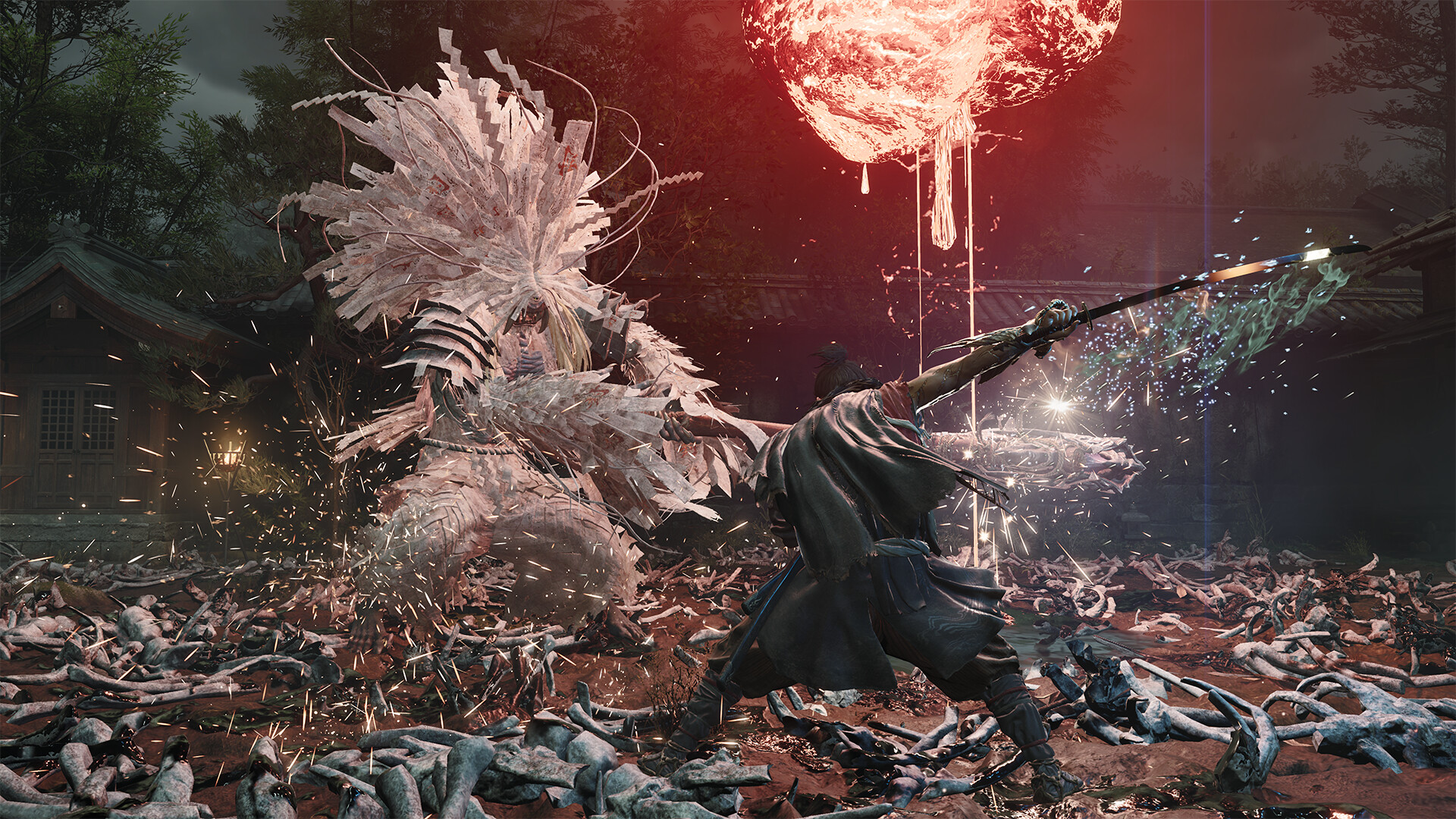
The game has a hint of RPG flavor, but it’s far from turning into an open-world title with 700 icons on the map – and thank God for that. Way of the Sword would rather show you an interesting location than show you how much content it can cram into it.
Once again, I’d single out the atmosphere as perhaps the most important thing besides the combat itself. All things considered, this game doesn’t try to be the best RPG, to have the best plot or the biggest world. It wants to be Onimusha. It wants you to feel like a samurai in a Japan crumbling under the onslaught of demon hordes. It wants you to step into a dark alley after some peaceful exploring, hear an enemy, draw your sword, and then realize five minutes later that you’ve just made demon mincemeat.
And it succeeds at all of that. The graphics help, as do the music and the level design. But above all, it’s the animations infused with fight choreography and the strong atmosphere. Everything is geared toward giving every clash a certain weight.
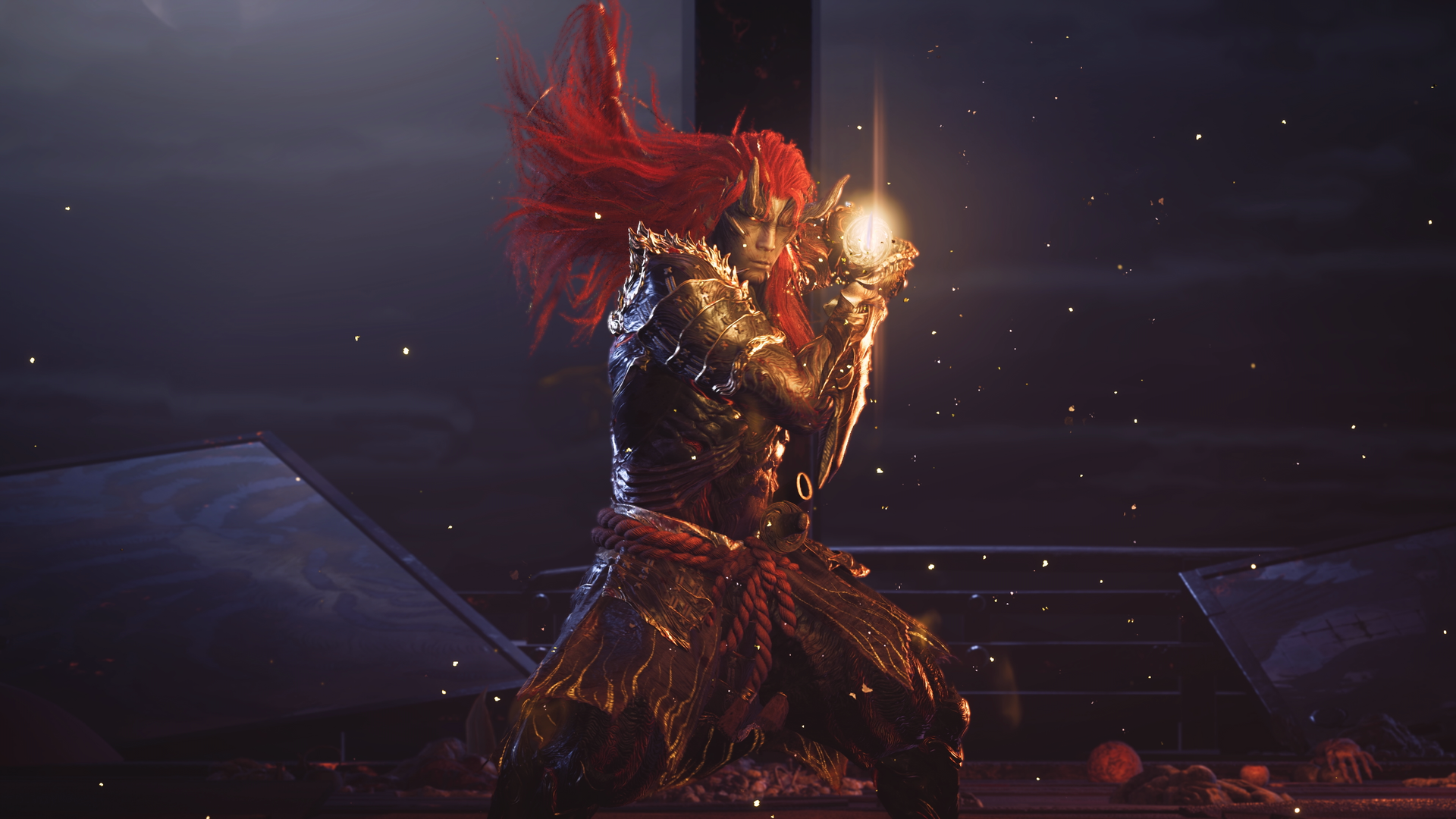
It’s hard to point to any shortcomings, apart from those that seem deliberately neglected. But if I have to criticize something, let it be the regular enemies. The core of the action in this game is the clashes with the “queens”, and all the small fry in between those big moments don’t justify such a varied combat system. They’re simply too easy to beat. But if you enjoy feeling like a mighty, legendary samurai, maybe that’s not such a bad thing.
Capcom seems to have remembered why Onimusha was once so good. You take a samurai, give him a sword, send him into a demon-infested city and tell him to deal with the problem. And sometimes you really don’t need anything more than that…
Onimusha: Way of the Sword is available for PC, PS5 and Xbox Series X/S
Author: Milan Živković
Follow us on Facebook, Instagram and TikTok, and join our Discord group for all the latest gaming news.